.png)
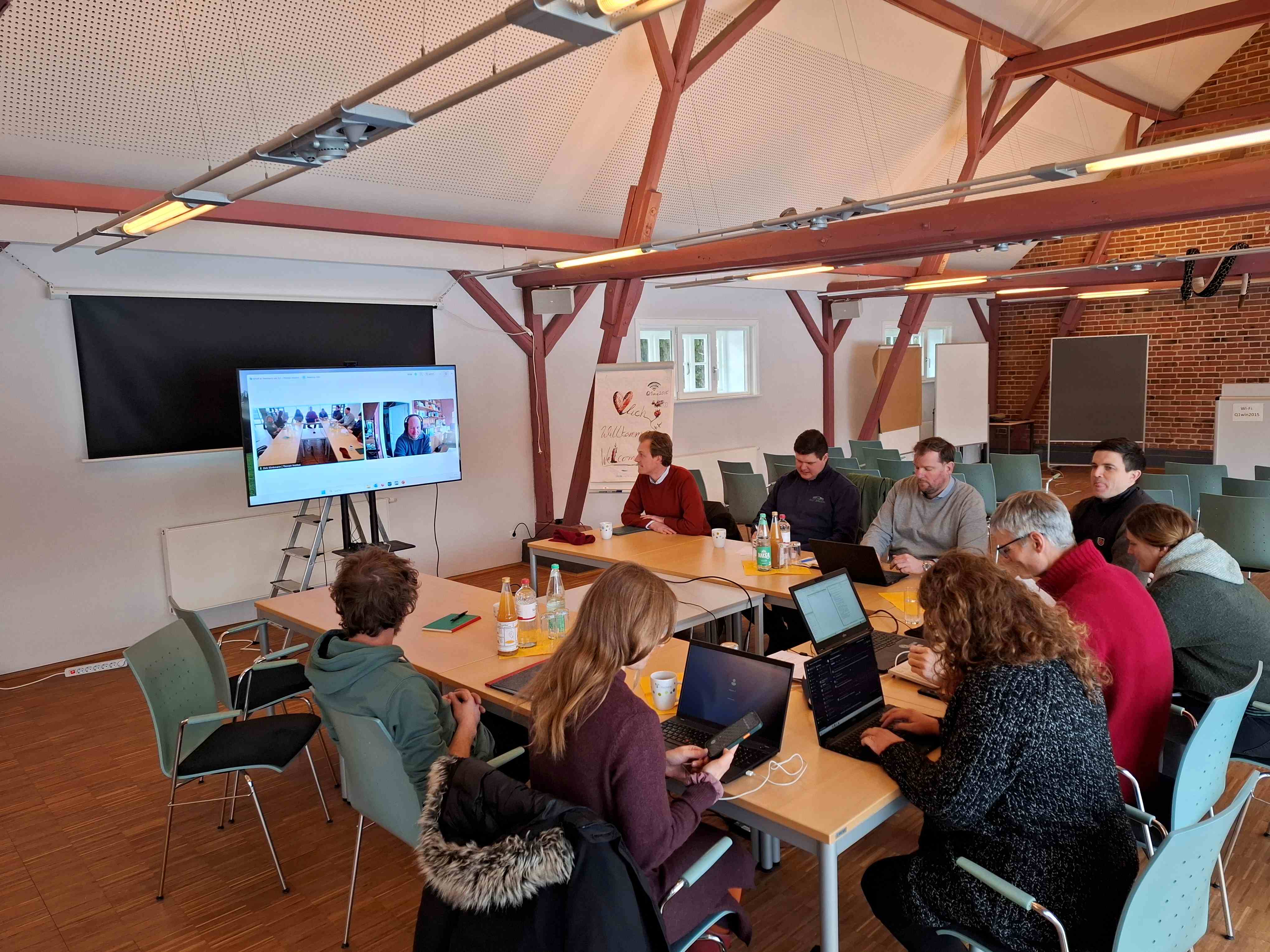
One of the key activities of the OrganicYieldsUp project focuses on gathering practitioners’ experiences with strategies to increase yields in organic arable farming. Activities began in spring 2025 and have since generated extensive knowledge from across Europe.
To date, 41 descriptions of so-called Lighthouse Farms from 11 European countries are available on our website: OrganicYieldsUp Lighthouse Farms. These descriptions present typical and advanced management approaches used by organic farmers, their yield performance, farm concepts, and their ambitions for further optimisation and development. Together, they reflect a wide range of climatic conditions and farming realities across Europe.
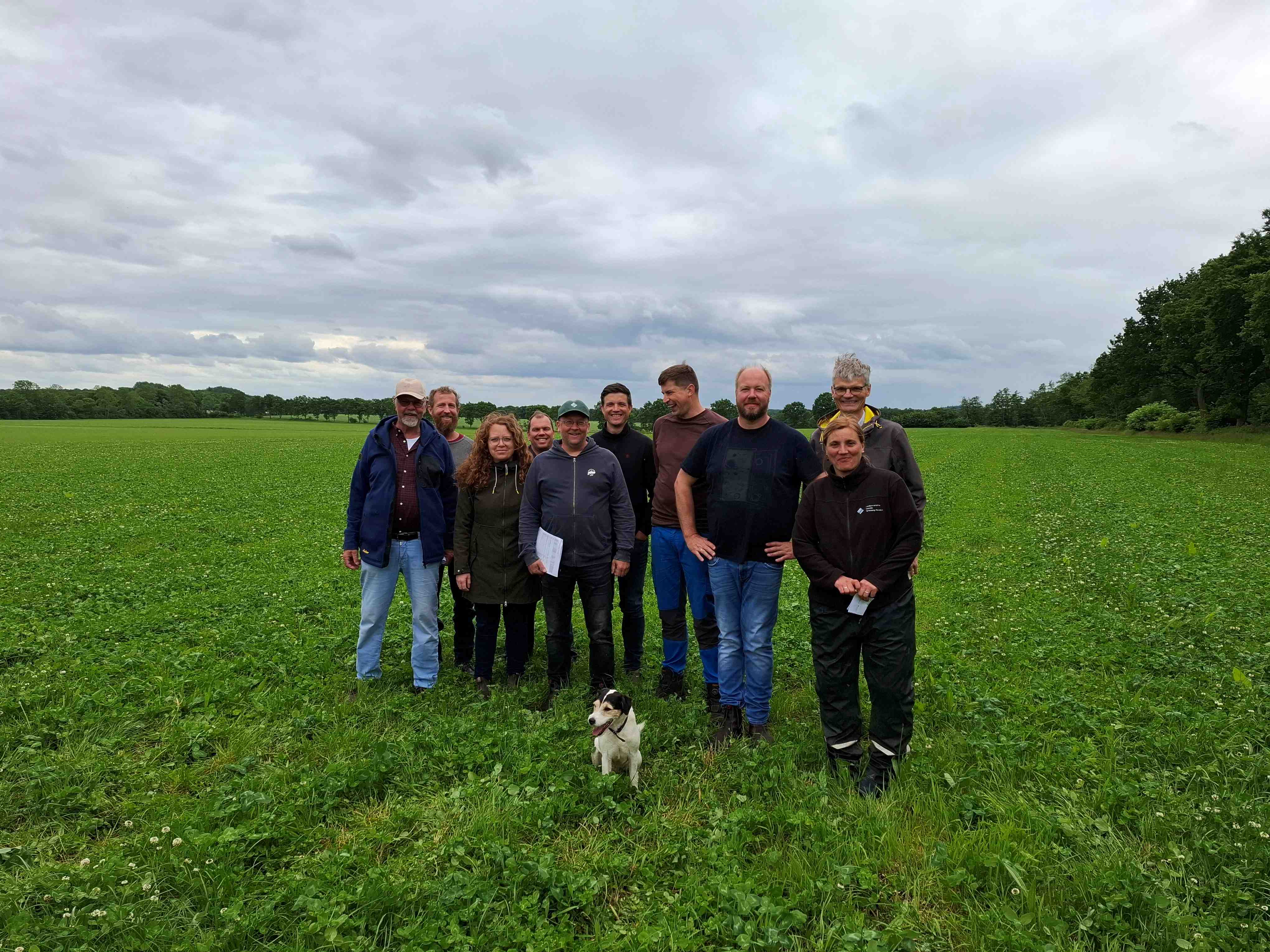
In each participating country, farmers joined invited experts and stakeholders to form national multi-actor peer groups. Altogether, these groups brought together 182 external members, alongside project partners. Throughout 2025 and 2026, 34 field visits and events were organised to encourage discussion, learning, and exchange of experiences. In addition, 18 formal workshops were held with national core groups to identify, discuss, and assess yield-improving strategies, best practices, existing challenges, limitations, needs, and future opportunities.
A final report summarising the overall results of this work was published in August.
Based on the discussions held during field visits and other project events, the North German Lighthouse farmers and experts identified several key areas for action to help stabilise yields in organic arable farming. While effective field management remains essential, they highlighted the following development priorities:
A) Under-sown forage legumes and soil fertility
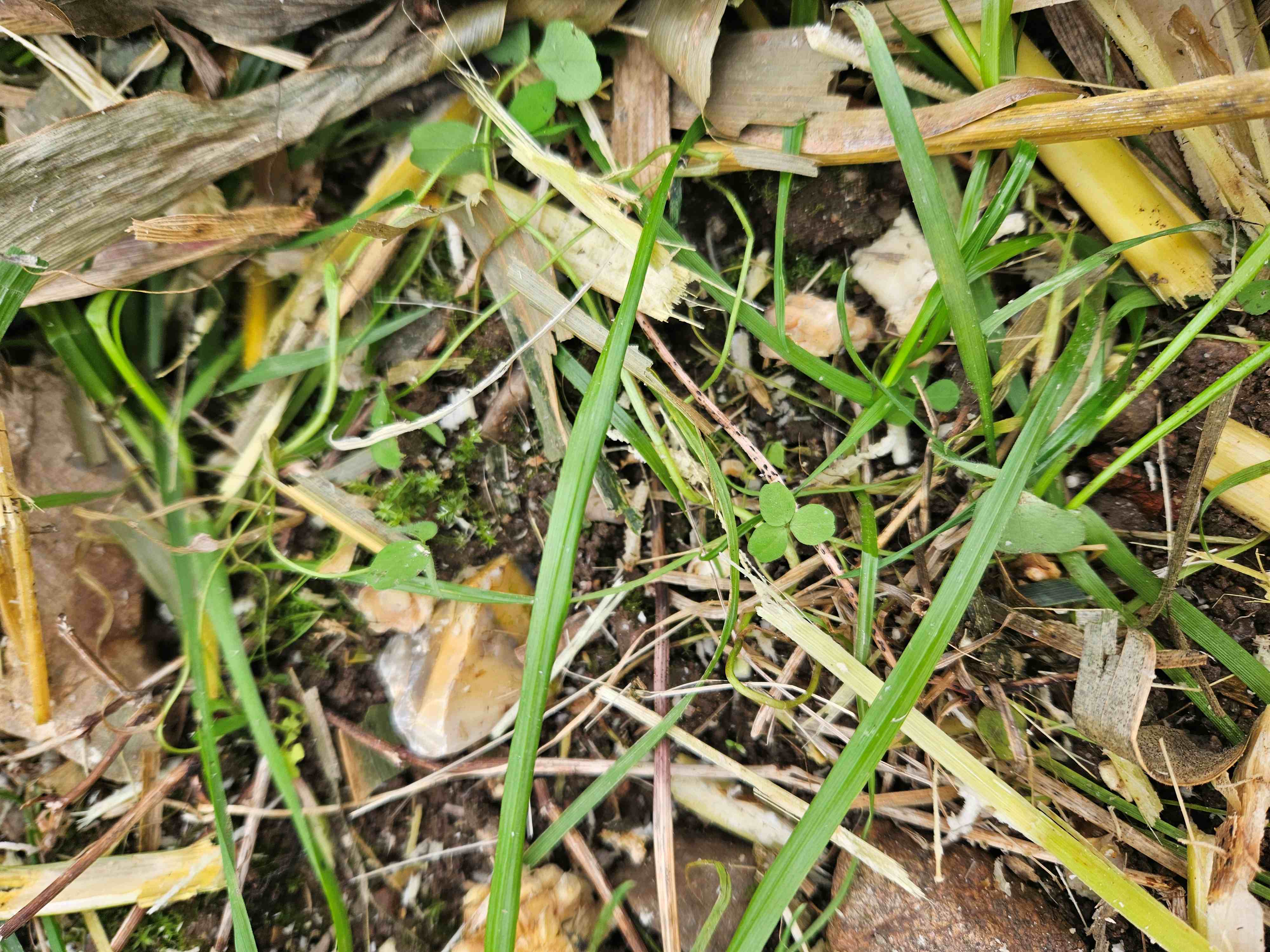
Farms with low livestock numbers require under-sown forage legumes to improve nitrogen supply and soil fertility. Particular attention should be given to techniques and varieties that support successful greening across all fields.
B) Crop choice, rotation and marketing
Farmers are encouraged to focus on crops that offer reliable yields and secure market opportunities under their specific conditions. At the same time, crop selection should remain sufficiently diverse to maintain a broad crop rotation and reduce risks. Adequate storage capacity is considered a key factor for successful marketing.
C) Management of problematic weeds
All participating farms reported challenges with problematic weeds. Effective suppression requires consistent management, supported by suitable machinery and well-designed crop rotations.
D) Fertilisation strategies and nutrient management
A clear fertilisation strategy is essential. Different fertiliser sources should be applied and timed according to nutrient availability to maximise their effectiveness. Collaboration with manure suppliers should be strengthened, and farms should have access to manure storage facilities to enable optimal application timing.
E) Grain legumes and yield stability
Yield variability remains high in grain legumes. Dry conditions after sowing can limit plant establishment, while pod and seed development often vary considerably between years. Effective weed control is crucial, and questions remain regarding whether crop breaks are sufficiently long when forage legumes are included in rotations, potentially increasing the risk of legume fatigue. Further research, development, and knowledge transfer are considered necessary. Winter varieties may offer advantages in some situations, while intercropping grain legumes with cereals could help reduce yield risks.
F) Soil organic matter
Building and maintaining soil organic matter is essential, particularly in the context of climate change and its increasing pressures on agricultural systems.
G) Knowledge and skills development
Continuous training and specialist knowledge development will play a crucial role in successful organic farming. Strengthening knowledge databases and improving the rapid exchange of information between science and practice are considered important priorities. AI-supported farm management documentation may also help farmers save time and maintain a better overview of their activities.
H) Organic standards and future development
Organic standards define what is permitted in the field. For example, regulations concerning fertiliser imports from conventional farms differ between producer associations, allowing farmers to choose among different approaches. This can provide greater flexibility in nutrient supply; however, standards should remain under continuous review and further development.